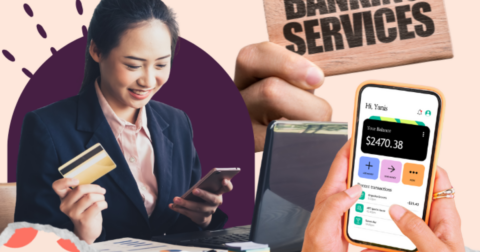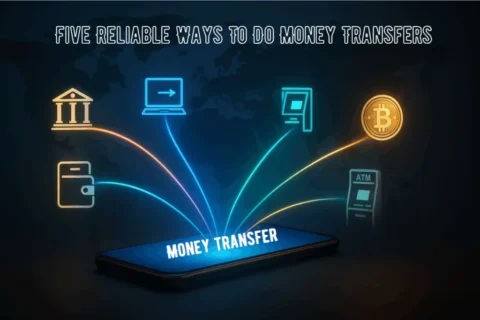



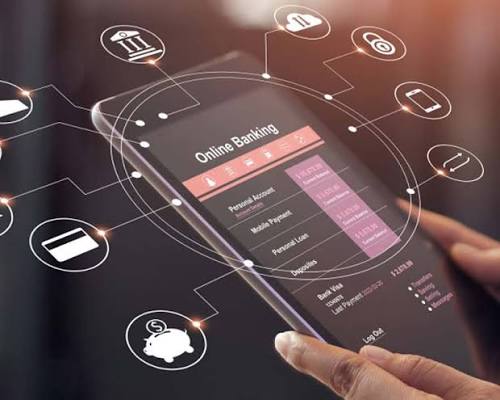
Banking is no longer just at the bank, it’s everyday. Just a few moments on a banking app or website allows you to check your account balance, pay a bill or transfer money.
It has made banking more convenient, but it has also changed the way people manage their money. Financial information is available almost in real time and cashless payments can be made. You can follow transactions almost anywhere.
Digital banking isn’t just about moving traditional banking services online. This is the new normal in the financial world.
What is digital banking, anyway?
What is digital banking? Digital banking is a catch-all term for services offered through websites, mobile apps and other digital channels. Those services may include checking account balances, transferring funds, paying bills, managing cards and viewing transaction history.
Some banks also offer budgeting tools, spending summaries, payment alerts and savings features on their digital platforms.
The basic idea is fairly simple, but the exact services offered differ from bank to bank: you don’t have to visit a branch to do your banking.
Convenience is a big selling point these days
One of the biggest benefits of digital banking is convenience. With traditional banking you have to work around the banks hours and physically go into a branch. Digital services have largely lifted that restriction.
The payment system is immediate. You can pay on the go, see a transaction in the evening, or plan a transfer without waiting for the next business day.
This is a real boon to the day to day financial transactions which used to take more time and paper work.
But it’s not only convenience that’s changing. Having financial information at your fingertips can also make people more aware of the way they spend.
More Visibility into Your Daily Expenses
With digital banking, it’s easy to see where your money is going. All your banking transactions, recurring payments, subscriptions, purchases or other fees.
Some apps will automatically categorize your spending into food, transportation, housing or entertainment. These features can help you recognize patterns.
For example, it may not seem like much at first but a few small regular payments can add up to a significant amount after a few months.
But not every financial decision needs to be overthought. Check your account history often to find any charges you don’t recognize, and to get a better idea of where your money is going.
Faster Payments: Opportunities and Challenges
Electronic payments are a much quicker way of moving money around. Some transfers can be almost immediate, depending on the payment system and financial institutions involved.
Payment notifications are a way to know when money is coming in or going out of an account. Alerts for suspicious activity to catch unauthorized transactions sooner.
But at the same time, the faster the payment, the harder it is to undo a mistake. In this case it is not always easy to get a payment back that has gone to the wrong account or has been approved due to a fraudulent request.
But you do need to take a few seconds to double check the payment and recipient details before you confirm a transaction.
Security, afterthought? No option
Digital banking can be easier but also has the responsibility to protect account information.
Criminals may try to steal your banking details by sending fake emails, text messages, phone calls or websites. Some scams will try to rush you into acting quickly – for example your account is blocked or a suspicious payment has to be checked immediately.
If it feels real, it’s not real.
Don’t send messages with links to banking services randomly. Use official apps and websites. Passwords need to be unique and hard to guess and where possible, multi factor authentication can provide an additional layer of protection.
Never give your password, security code or other sensitive information to someone who just says they are from your bank.
Online Banking & Privacy
Banking apps handle highly sensitive data. All transaction history, account information and personally identifiable information shall be protected adequately.
Regularly update your operating systems and banking apps to stay safe from any security threats. And make sure devices have a secure screen lock, especially if you use them for financial transactions.
Public Networks Need More Love
If you are accessing your sensitive financial account over an unknown or unsecured connection, you are more likely to be a victim of security threats.
Privacy is also knowing what information an app is asking for and what permissions it is asking for. Good banking apps are transparent about what they do with your data.
Technology is Revolutionizing the Banking Sector
More banks are embracing technologies such as artificial intelligence and automation. Such systems can flag unusual transactions, detect potential fraud and provide automated customer support.
Automating some banking processes to make them faster is not foolproof. A good transaction can be mistaken for a bad one. A customer may need a human being to solve a more complex problem.
Technology is most useful when it is supplementing good banking services, not substituting good oversight by humans.
Digital Banking Can Transform Your Spending
Easy payments, the fun side. Cash makes spending more tangible. Digital payments are made with little to no disruption to your daily routines.
“Sometimes it’s just too easy to spend money you don’t need to spend because of that convenience.”
Following transactions regularly is a good way to keep up to date. Little purchases, automatic payments and recurring subscriptions can add up to a monthly expense you hardly notice.
Digital banking and other tools can help identify these but regular review and wise spending choices are the key to financial discipline.
Access Improved but Problems Remain
Digital banking can help provide financial services to people who are far from a branch or don’t have time for traditional banking.
But not everyone has equal access to technology and equal confidence in using online services. It can be hard for older users, users with limited experience of digital and users without reliable internet access.
That’s why digital banking has to be inclusive. Very easy to access. Digital systems can exclude those who need financial services if they are not designed with clear interfaces, good customer support and alternative banking services.
Looking Forward
Artificial intelligence and financial applications such as payment technology are still evolving and maybe banking will become more digital.
More personal financial data, faster payments and better ways to detect fraud could be part of the future of banking. At the same time privacy, cyber security and responsible use of financial data will become more important.
The best digital banking systems won’t necessarily be the fastest. Security, transparency and usability will be equally important.
Digital banking is transforming the way we handle our money every day. Many banking tasks can be made easier through web-based tools, and you can get a clearer picture of your personal finances, but you need to have good security practices and keep a close eye on your account activity.